
What Is NLP? A Beginner-Friendly Explanation
If you’ve ever wondered what is NLP, you’re not alone. The term gets thrown around a lot — in self-development, coaching, sales training, even leadership programmes. Some people swear by it. Others are sceptical because they’ve only seen exaggerated claims online.
So let’s slow things down and explain NLP properly — in plain English, without hype, jargon, or unrealistic promises.
NLP, or Neuro-Linguistic Programming, is not magic. It’s also not therapy. At its core, NLP is a practical way of understanding how people think, communicate, and behave, and how small changes in thinking and language can lead to different results in real life.
This article is written for beginners — people who are curious, open-minded, and just want a clear, honest explanation of what NLP actually is and how it’s used.
What Is NLP, in Simple Terms?
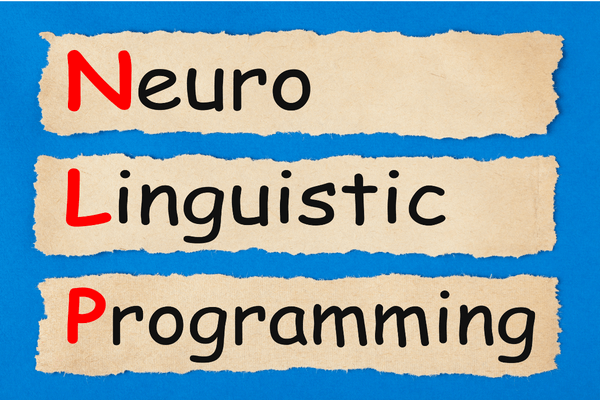
NLP stands for Neuro-Linguistic Programming.
That sounds complicated, but it’s easier when you break it down:
-
Neuro → how we think, feel, and experience the world through our senses
-
Linguistic → the language we use (words, tone, internal self-talk)
-
Programming → the habits, patterns, and automatic responses we repeat
Put together, NLP is about how our thoughts and language shape our behaviour, and how we can change unhelpful patterns into more useful ones.
In everyday terms, NLP helps people:
-
Communicate more clearly
-
Understand why they react the way they do
-
Build confidence and emotional control
-
Improve relationships, leadership, and performance
It’s less about theory and more about practical tools you can use immediately.
Where Did NLP Come From?
NLP was developed in the 1970s by Richard Bandler and John Grinder. They studied highly effective therapists and communicators to answer one key question:
What exactly are successful people doing differently?
Instead of focusing on “why” problems exist, NLP focuses on how success works — the thinking patterns, language choices, and behaviours that produce results.
This practical focus is one reason NLP spread quickly into areas like:
-
Coaching
-
Business and sales
-
Leadership training
-
Education
-
Personal development
How NLP Works in Real Life (Not Theory)
One reason people struggle to understand NLP is because it’s often explained in abstract terms. So let’s look at real-life examples.
Example 1: Confidence in Speaking
Two people give presentations:
-
Person A feels nervous, speaks softly, avoids eye contact
-
Person B feels calm, speaks clearly, and connects with the audience
NLP looks at:
-
What images are running in their mind
-
What internal self-talk they’re using
-
How their body posture affects their emotions
Change those internal patterns, and confidence improves naturally.
Example 2: Communication Breakdowns
Have you noticed how some people can say difficult things without causing conflict?
NLP teaches:
-
How to match communication styles
-
How to listen beyond words
-
How to choose language that reduces resistance
That’s why NLP is popular in leadership and negotiation settings.
What NLP Is NOT (Important to Clear This Up)
There’s a lot of misunderstanding online, so let’s be clear.
NLP is not:
-
Mind control
-
Hypnosis for manipulation
-
A replacement for medical or psychological treatment
-
Positive thinking without action
Good NLP training focuses on awareness, choice, and responsibility, not control over others.
What Skills Do People Learn Through NLP?
Here are some core skills NLP develops, explained simply.
1. Self-Awareness
You start noticing:
-
Your emotional triggers
-
Your thinking habits
-
How your language affects your mood
This awareness alone often creates positive change.
2. Emotional Regulation
NLP provides tools to:
-
Calm anxiety
-
Reduce overthinking
-
Shift emotional states quickly
This is useful in stressful work environments and leadership roles.
3. Communication & Rapport
NLP teaches how to:
-
Build trust naturally
-
Adapt communication to different personalities
-
Avoid unnecessary conflict
This is why NLP is widely used in coaching, sales, and management.
Why NLP Feels “Practical” Compared to Other Methods
Many personal development approaches focus heavily on insight but lightly on action.
NLP is different because:
-
It focuses on how, not just why
-
It uses step-by-step methods
-
Results are often noticeable quickly
Think of NLP like learning to drive:
-
You don’t need to understand how the engine works
-
You need to know what to do to move safely and smoothly
Is NLP Only for Coaches or Therapists?
Not at all.
People who commonly use NLP include:
-
Business owners
-
Sales professionals
-
Teachers and trainers
-
Leaders and managers
-
Parents
-
Students
Anyone who deals with people (including themselves) can benefit.
Common Myths About NLP
“NLP Is Just Motivation”
Motivation fades. NLP focuses on behavioural patterns that last.
“NLP Is Too Good to Be True”
Like any skill, results depend on quality training and practice.
“NLP Is Manipulative”
Ethical NLP is about clarity and choice, not control.
How NLP Is Learned Properly
This is where many people get confused.
Reading articles helps, but NLP is:
-
Experiential
-
Practice-based
-
Skill-oriented
That’s why structured training matters.
If you want formal training, read about NLP Practitioner Certification to understand how NLP is taught step by step.
Why People Eventually Go Beyond “Just Reading About NLP”
Most beginners start with curiosity. Then they notice:
-
Patterns repeating in their life
-
Communication challenges
-
Emotional reactions they want to change
At that point, learning NLP properly becomes less about curiosity and more about personal mastery.
That’s usually when people explore structured learning paths rather than random videos or articles.
Is NLP Scientifically Proven?
This is a fair question.
NLP is practice-driven rather than theory-driven. Some techniques align with modern neuroscience and psychology; others are based on modelling real-world effectiveness.
What matters most to learners is:
-
Does it work in real situations?
-
Can it be applied ethically?
-
Does it create measurable change?
Good NLP training encourages critical thinking, not blind belief.
Should You Explore NLP Further?
If you:
-
Enjoy understanding how people think
-
Want better communication skills
-
Want more control over emotions and habits
-
Prefer practical tools over theory
Then NLP is worth exploring — calmly, rationally, and with proper guidance.
So, what is NLP really?
It’s a practical approach to understanding how thinking, language, and behaviour interact, and how small adjustments can create meaningful change — without hype or exaggeration.
If you’re simply curious, keep learning.
If you want structured, hands-on experience, it may be time to explore professional training.
If you’d like to learn more or make an enquiry, feel free to explore the NLP Practitioner Certification section on jeroldyap.com or reach out for a conversation — no pressure, just clarity.